
Walking the “Camino” for Dementia: DZNE Scientist Joins Fellow Advocates
Next edition of “Walking the Talk for Dementia” starts at the end of June
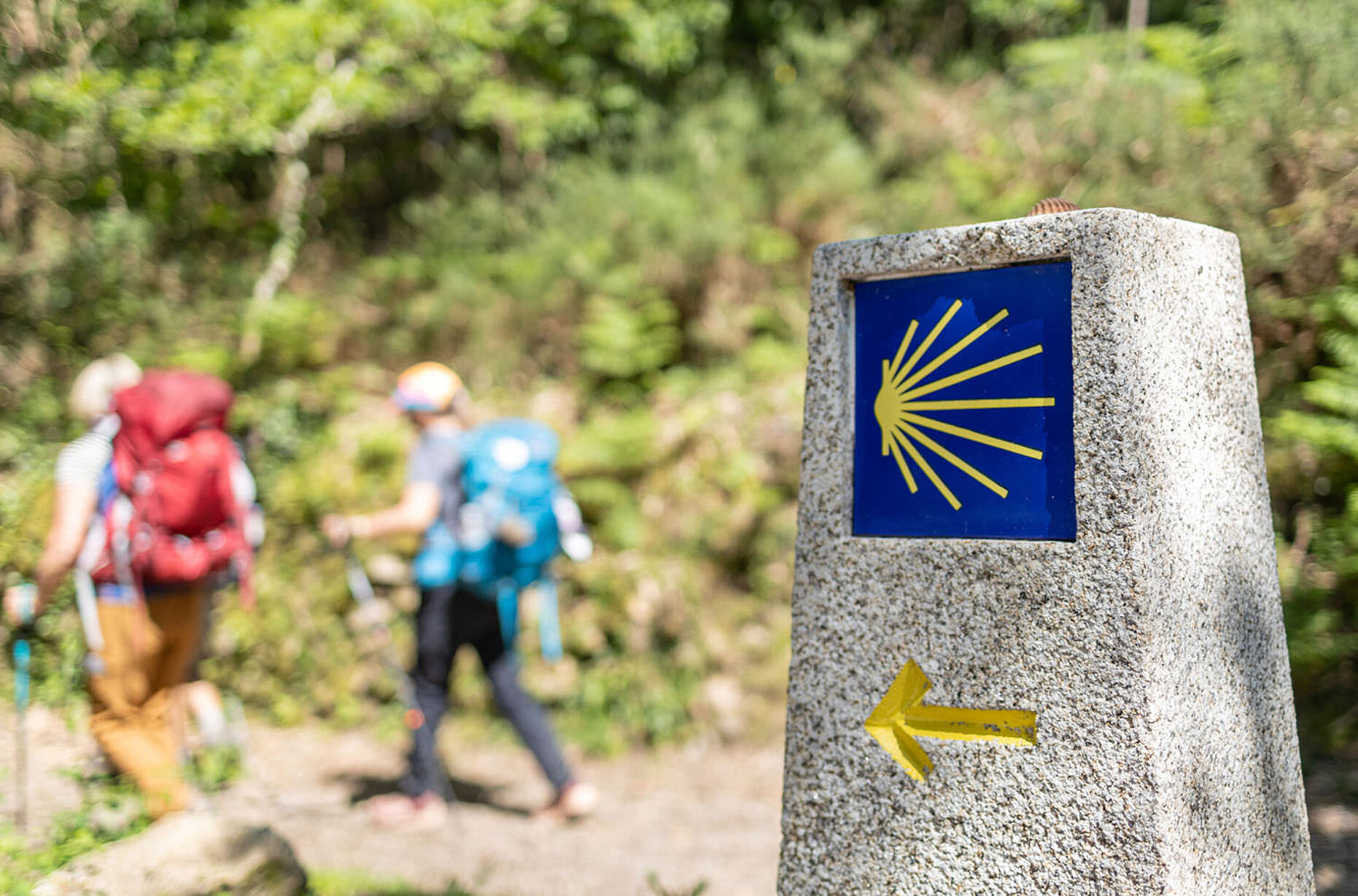
Greifswald (Germany), June 12, 2026. People have been making pilgrimages to Santiago de Compostela since the Middle Ages – originally for religious reasons, though in recent years further motives such as personal reflection and inner retreat have also become part of the journey. Since 2023, under the motto “Walking the Talk for Dementia” people with dementia, family members, researchers, and other dementia advocates have also been making their way to the pilgrimage destination in northwestern Spain, walking short daily stages along the final stretch of the famous “Camino de Santiago”. This year, DZNE researcher René Thyrian, will join the international group of pilgrims. Their journey will culminate in a two-day symposium.
Across four days of walking, the group will cover roughly 40 kilometers together. Buses will shuttle the pilgrims from the conference hotel to the starting point for each stage and pick them up again at the end of the route.
“I assume that, as in past years, several dozen people from all over the world will come together – each with very different connections to dementia,” says Professor Thyrian, who is participating for the first time this year. “This initiative offers a unique opportunity for exchange and networking. It is not just a regular conference with talks, symposia, and workshops – that happens only at the very end. First, you spend several days walking together. Being out on the trail offers plenty of opportunities to talk about dementia and all of its challenges – with virtually everybody. I’ve had the chance to take part in many different formats, but this will certainly be a very special experience.”
The impact of this format has been evaluated, and publications in “Alzheimer’s & Dementia”, “Nature Reviews Neurology”, and “Frontiers in Dementia” show a wide range of positive effects, particularly from the perspective of participatory research.
Background: