
DZNE Awarded around 3.5 Million US Dollars in Funding for Parkinson’s Research
The German institute leads international consortium to develop precise antibodies for research applications
Bonn (Germany), June 29, 2026. DZNE is coordinating a German-US consortium to develop new molecular tools for Parkinson’s research. In this context, DZNE is receiving around 3.5 million US dollars in funding from the U.S.-based initiative Aligning Science Across Parkinson’s (ASAP), in collaboration with The Michael J. Fox Foundation for Parkinson’s Research. The consortium will join the Collaborative Research Network (CRN), an international, multidisciplinary, multi-institutional network working to address high-priority research questions about Parkinson's disease.
The aim of the DZNE-led project is to develop reliable, openly accessible antibodies that enable researchers to investigate disease-related changes in Parkinson’s in the brain and other tissues. In addition to DZNE, the consortium includes U.S. partners BioLegend (San Diego) and the Banner Health Brain and Body Donation Program (Phoenix).
Parkinson's is a complex neurodegenerative disease characterized primarily by movement disorders such as tremor, slowed movement, and muscle stiffness. Disruptions in mitochondria—the “powerhouses” of the cell—play a key role in the disease. When mitochondria malfunction, neurons are deprived of energy and produce increased levels of harmful reactive oxygen species, a condition known as oxidative stress. These processes contribute significantly to the degeneration of neurons and can be further influenced by genetic risk factors.
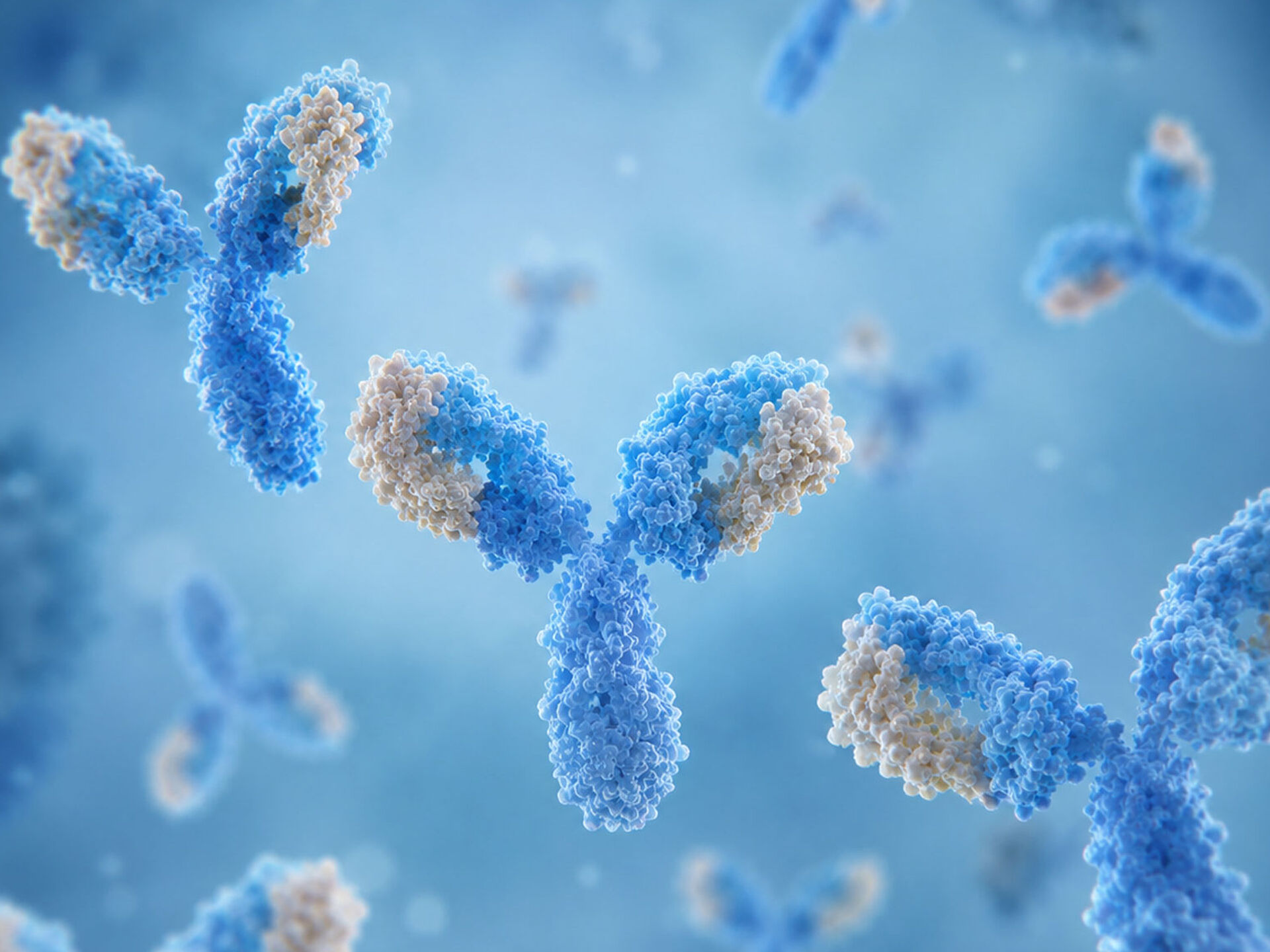
These pathological changes affect not only the brain but also peripheral tissues such as the colon, skin, esophagus, and blood. Several proteins, including alpha-synuclein, have been identified as key players in these processes. To reliably detect these disease-related proteins and better understand the processes behind them, researchers need highly specific antibodies. These specialized molecules bind precisely to their target proteins, acting as molecular “detection probes.” To make them visible under the microscope, antibodies are labeled with fluorescent markers.
New antibodies for reliable and comparable research
It is crucial for research to understand where Parkinson’s-related proteins accumulate in tissue.
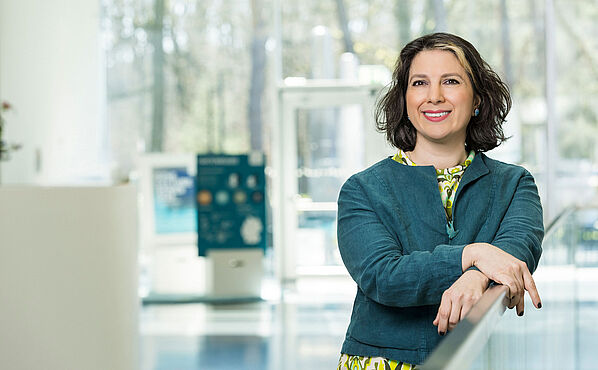
"This is exactly where we come in,” says Ayse Ulusoy. She heads a research group at DZNE and will lead the international consortium funded by ASAP. “In this project, we develop antibodies that precisely recognize these proteins—and we also test whether they perform reliably under real experimental conditions. You could say we act as both ‘matchmakers’ and ‘quality controllers’.”
An antibody must not only bind to the correct target protein but also function in the tissues and analytical methods commonly used in Parkinson’s research, Ulusoy explains. Many currently available antibodies are insufficiently validated or produce inconsistent results across laboratories. “That is why we systematically test our antibodies and provide standardized protocols. This creates the basis for reproducible and comparable results worldwide.”
From antibody design to validation
The U.S. industry partner BioLegend first develops antibodies targeting nine selected proteins associated with key disease mechanisms such as mitochondrial dysfunction and oxidative stress. Antibody production is based on hybridoma technology, in which antibody-producing cells are engineered to form stable cell lines capable of producing large quantities of identical antibodies.
For each target protein, nine candidate antibodies are generated and tested in a multi-step process. The most promising candidates are then transferred to DZNE for further validation in cell cultures, mouse models, and human cells and tissue samples. A key requirement is reliability: antibodies must consistently detect the intended target under different experimental conditions. Only candidates that pass stringent quality control are advanced.
At DZNE, the antibodies will be studied in Ayse Ulusoy’s research group, among other settings, in mice that exhibit a Parkinson’s-like disease phenotype. The Banner Health Brain and Body Donation Program evaluates them in human tissue samples from the brain and peripheral tissues such as skin, colon, and salivary glands.
The goal is to identify antibodies that deliver reliable results not only in the brain but also in peripheral tissues.
Automated technology enables comprehensive analyses
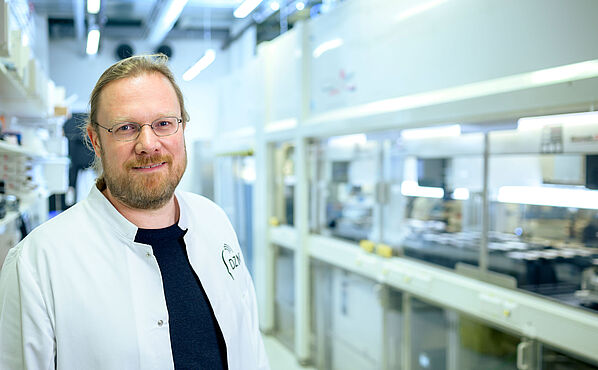
A central role in DZNE’s contribution to the current project is played by the high-throughput screening platform led by Dr. Philip Denner, Head of “Laboratory Automation Technologies” at DZNE’s Bonn site and Core Leadership Co-Investigator of the consortium. This automated system allows multiple antibodies to be analyzed simultaneously in a single sample.
We test whether the antibodies perform as intended in cellular assays.
"In addition, we develop suitable analytical methods and optimize multiplex approaches that allow several markers to be analyzed at the same time,” says Denner. “This ensures that the antibodies work reliably under real-world laboratory conditions.”
Open resources for the global research community
After successful validation, the antibodies will be made available worldwide through BioLegend. In addition, the consortium will provide validation data, protocols, and application guidelines openly, enabling researchers worldwide to use and further develop these tools.
Perspectives for biomarkers and diagnostics
The project lays important groundwork for identifying new biomarkers. By validating antibodies in both brain and peripheral tissues, researchers aim to identify measurable indicators that reflect disease-related changes in the brain. At the same time, the project investigates in which tissues and cell types disease-relevant proteins provide the most informative signals.
In the long term, such approaches could support minimally invasive methods, such as blood tests or skin biopsies. These could help to better classify patients, monitor disease progression, and evaluate treatment effects in clinical studies.
“Our goal is to create a reliable and openly accessible resource for Parkinson’s research,” says Ulusoy. “These tools will help researchers compare results more effectively and translate new findings more quickly into practice.”
Consortium partners
Banner Health Brain and Body Donation Program, Phoenix/USA; BioLegend, San Diego/USA
About Deutsches Zentrum für Neurodegenerative Erkrankungen, DZNE (German Center for Neurodegenerative Diseases): DZNE is one of the world’s leading research centers for neurodegenerative diseases such as Alzheimer’s, Parkinson’s and ALS, which are associated with dementia, movement disorders and other serious health impairments. These diseases place an enormous burden on patients and their families, but also on society and the economy of healthcare. DZNE contributes significantly to the development and translation into practice of novel strategies for prevention, diagnosis, care and treatment. DZNE comprises ten sites across Germany and collaborates with universities, university hospitals, research centers and other institutions in Germany and throughout the world. DZNE is state-funded and a member of the Helmholtz Association and of the German Centers for Health Research.