
Fellowship in Brazil
DZNE researcher appointed to renowned job across the Atlantic
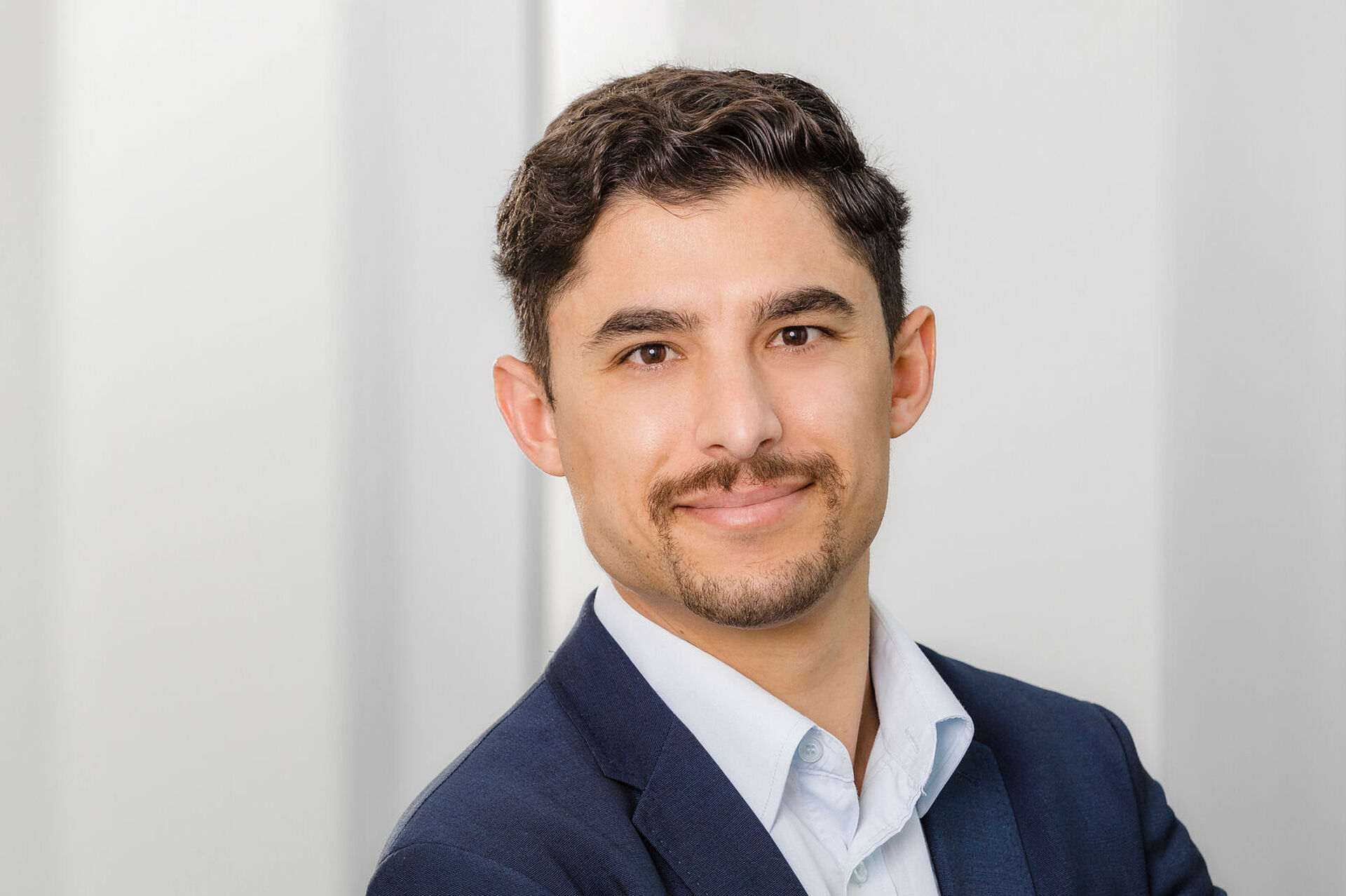
Bonn (Germany), December 17, 2025. Dr. Lucas Secchim Ribeiro, a scientist in DZNE’s Systems Medicine division, has taken up a prestigious position in his home country of Brazil, which he will coordinate alongside his work at DZNE’s Bonn site. Ribeiro, whose scientific background is in immunology and bioinformatics, is now a “Visiting Research Fellow” at his alma mater, the Federal University of Minas Gerais (UFMG).
“Researchers in Brazil are able to do science at the highest level, despite the constant challenges faced by developing countries. I am honored to be given the opportunity to highlight the academic valor and resilience of my homeland and improve the integration between our institutions,” Ribeiro says.
Research on infections
He will be hosted by Prof. Dr. Vivian Vasconcelos Costa, leader of the Arbovirus Research Group at UFMG’s Institute for Biological Sciences. Together they will develop studies focused on infectious diseases, especially COVID-19 and tropical infections. “Some of these mosquito-transmitted pathogens, like the Chikungunya and Zika viruses, are known to affect the nervous system. Thus, I can bridge my training in immunology and the work done at DZNE,” Ribeiro says.
Data usage
An important part of his work will be to advise researchers in Brazil on the use of data from publicly available databases. “There is a wealth of biomedical data in repositories world-wide that adheres to the FAIR principles. To make the most of it, I plan to share the recent developments from data science and therefore support my Brazilian colleagues with that experience”. As a member of the DZNE Swarm Learning Hub, Ribeiro will also engage with local clinical partners and highlight the Data Visiting principles, introducing a unique perspective on the decentralized machine learning solutions developed in Bonn.
Outreach
In addition, Ribeiro will engage in public outreach activities as part of his academic duties. “The Federal University of Minas Gerais has a long-standing tradition of taking Science where it is mostly needed: to the base of the society. That is why we will collaborate with local schools and show to the pupils the importance of scientific thought and critical thinking in their daily lives. I also hope to spark on them the interest for Immunology and Data Science. I’m looking forward to it,” he concludes.