
ALS: Biomarker Couple Improves Accuracy of Diagnosis
Combining two blood parameters enables better differentiation from other neurological diseases and may help distinguish between ALS subtypes
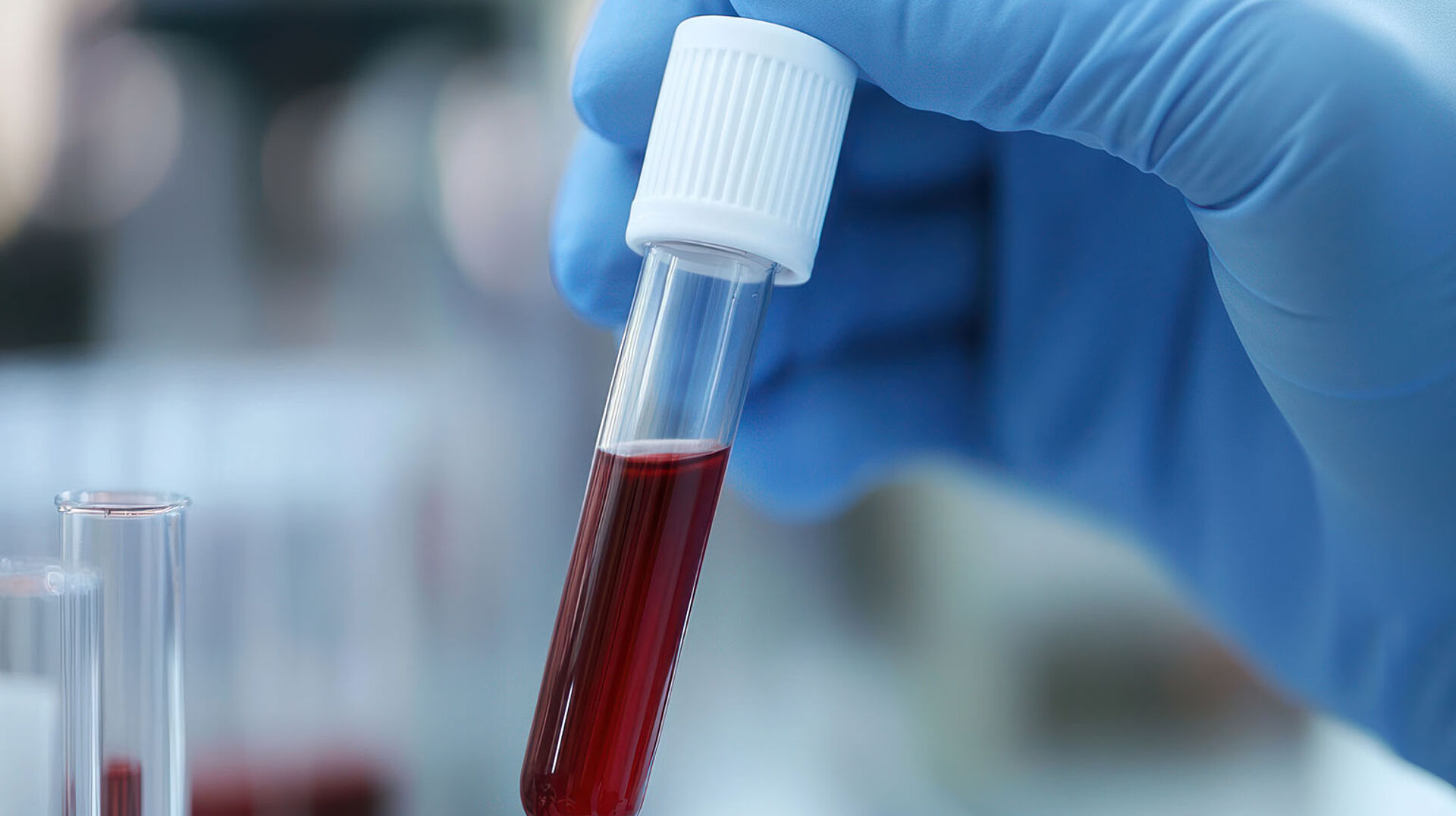
Bonn (Germany), October 30, 2025. Diagnosing the neurological disease amyotrophic lateral sclerosis (ALS) is often challenging – particularly because its symptoms can resemble those of other disorders. A study led by the University Hospital Bonn (UKB), with participation of DZNE, now shows that combining two blood markers – neurofilament light chain (NfL) and cardiac troponin T (cTnT) – significantly enhance diagnostic accuracy. The findings, published in the journal Annals of Neurology, open new perspectives for diagnostics and therapeutic development.
ALS is a severe disorder of the brain and spinal cord that leads to muscle wasting, paralysis, loss of speech, and eventually respiratory failure – resulting in dependence on care and a shortened lifespan. Most patients die within just a few years. The diagnostic process involves numerous tests, including assessment of a blood marker known as NfL. This protein is released when neurons are damaged and can enter the bloodstream.
Focus on nerves and muscles
“NfL is a well-established marker for neuronal damage, but it is not specific for ALS. Elevated NfL levels are also found in other neurodegenerative disorders that affect motor function, such as Huntington’s disease or spinal muscular atrophy,” explains Dr. Patrick Weydt. He leads the outpatient clinic for ALS and other motor neuron diseases at UKB and is also a researcher at University of Bonn and DZNE. “When NfL and cTnT are assessed together, diagnostic accuracy improves substantially. Actually, cTnT is a known indicator of heart muscle damage following a heart attack. However, recently we found that its levels are also elevated in people with ALS – even when there is no evidence of cardiac injury. We have taken this finding into account in our current research.” By combining these two biomarkers, the researchers were able to accurately distinguish ALS from other neurological diseases. “Both markers are already widely used in clinical practice: Thus, I see good chances for this combination to be implemented in routine diagnostics,” says Weydt.
Outlook
This approach could help diagnose ALS earlier and more reliably – and may also allow differentiation between subtypes of the disease. “ALS is highly heterogeneous. While some forms can be traced to specific mutations in the DNA, most cannot be identified so easily via genetics. Here, this biomarker combination might provide valuable clues,” says Weydt. The scientist also sees potential applications for therapy development: “In clinical trials, measurable indicators are essential to determine whether a treatment affects disease progression – especially whether it slows it down. The combination of these two blood markers could serve as a valuable tool for that purpose.”
Original publication
Combination of serum neurofilament light chain and serum cardiac troponin T as biomarkers improves diagnostic accuracy in amyotrophic lateral sclerosis.
Paula Lindenborn et al.
Annals of Neurology (2025).
DOI: 10.1002/ana.78066
Further Information (UKB news release):
https://www.alphagalileo.org/en-gb/Item-Display/ItemId/264765